
Western Tanzania National Park

Western Tanzania Destinations
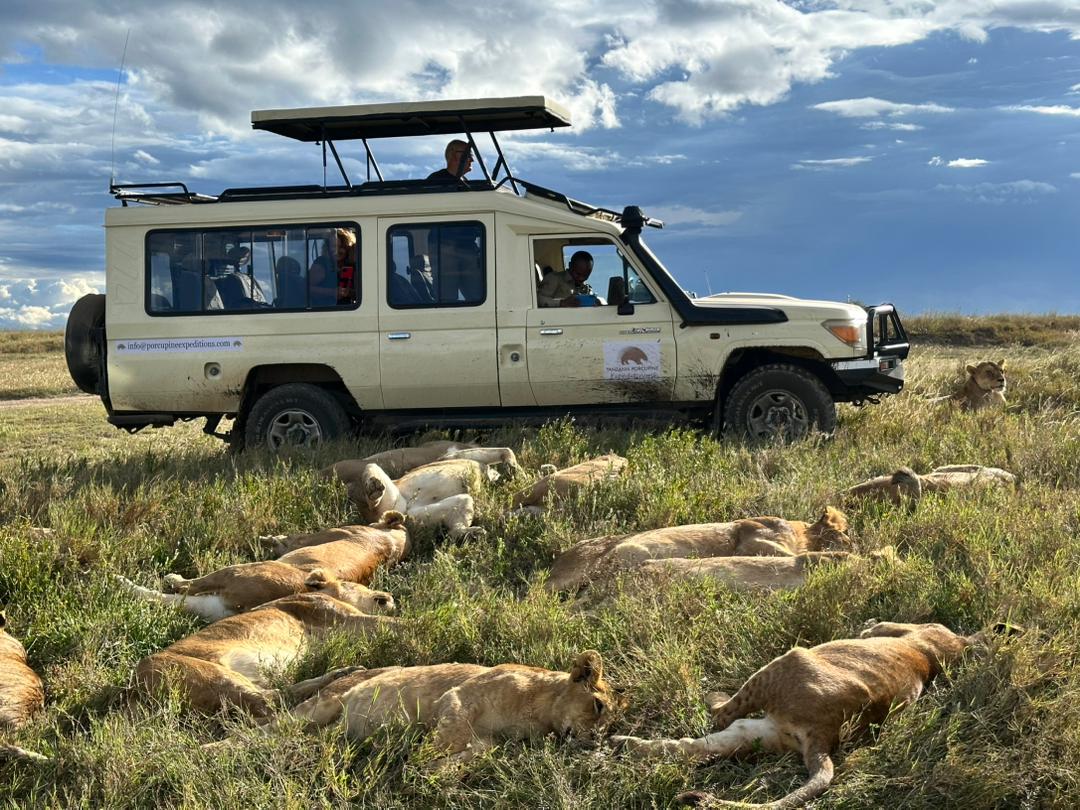
The Western circuit not well know by many provides a magificent glimpse of Tanzania’s incredible wildlife and great scenery of the rugged terrain, offshore of lake victoria making it an adventurous and breathing experince for safari circuit and hiking.
Mahale Montains National Park
Mahale is one the reserved parks for Chimpanzee together with Gombe National Parks,It is situated directly on Lake Tanganyika and the only means of reaching there is by boat from Kigoma Town, with the misty and rugged Mahale Mountain range running down its centre. The Mahale Mountains National park is described as quite simply one of the most beautiful parks anywhere in Africa and it is only place where chimpanzee and lions co-exist.
Gombe National Park
This is relatively small (52 sq. km) it is located 20 km North of Kigoma between at the Border of Lake Tanganyika and Congo DRC and it can be reachable by the boat only,This National parks is among of two parks reserved for Chimpanzee,the famous group of chimpanzee exist is Kasakela but also there are kinds of monkey like Olive Baboons,Red tail monkeys and Vervet monkeys.Also this park is the habitants of more than 200 species of birds.
Katavi National Park
Katavi, about 35km southwest of Mpanda, is Tanzania’s third-largest park and one of its most unspoiled wilderness areas. Katavi is a true wilderness, providing intrepid souls who make it there with a thrilling taste of Africa. Katavi National Park lies in Mpanda district in the west of Tanzania. With an area of 4471 km², it is Tanzania’s third largest park. Together with the neighbouring Rukwa, Lukwati and Luafi Game Reserves and numerous forest reserves, this ecosystem of 25 000 km² is the heart of one of the biggest and richest wildlife areas in Tanzania.
Chimpanzee Trekking in Western Tanzania
Chimpanzee trekking is one of Africa’s most extraordinary wildlife activities and a major reason travelers visit Western Tanzania.
Unlike traditional safaris focused on game drives, chimpanzee trekking involves hiking through tropical forests in search of wild chimpanzee groups.
Once located, visitors can observe the chimpanzees as they:
- Feed on fruits and vegetation
- Groom one another
- Care for their young
- Build nests
- Communicate through calls and gestures
- Interact socially within their communities
The experience offers a fascinating insight into the behavior and intelligence of one of humanity’s closest relatives.
Both Mahale Mountains National Park and Gombe National Park provide world-class chimpanzee trekking opportunities.
Best Time to Visit Western Tanzania
Dry Season (June to October)
This is generally considered the best time to visit because:
- Chimpanzees are easier to locate.
- Forest trails are more accessible.
- Wildlife gathers around water sources.
- Weather conditions are favorable.
Green Season (November to May)
The landscape becomes lush and beautiful, with excellent birdwatching opportunities and fewer visitors.
Photographers often appreciate the vibrant scenery and dramatic skies during this period.
How to Get to Western Tanzania
Due to its remote location, Western Tanzania is usually accessed by scheduled or charter flights.
Main Access Points
- Kigoma Airport
- Mahale Airstrips
- Katavi Airstrips
- Domestic flights from Arusha
- Domestic flights from Dar es Salaam
Boat transfers across Lake Tanganyika are often required when visiting Mahale Mountains National Park and Gombe National Park.
Although travel times are longer than those for the Northern Circuit, the remoteness contributes to the region’s exclusivity and wilderness character.
Accommodation in Western Tanzania
Accommodation options are generally smaller, more intimate, and designed to blend into the natural environment.
Luxury Safari Lodges
Offer:
- Exclusive locations
- Personalized service
- Lake views
- Fine dining
- Guided activities
Tented Camps
Provide an authentic safari atmosphere while maintaining comfort and excellent wildlife access.
Eco-Lodges
Many properties emphasize sustainability, conservation, and low environmental impact.
Because visitor numbers remain relatively low, accommodations often provide a highly personalized experience.
Conservation in Western Tanzania
Western Tanzania plays a crucial role in protecting some of Africa’s most important ecosystems and endangered species.
Conservation efforts focus on:
- Chimpanzee protection
- Forest preservation
- Anti-poaching initiatives
- Community-based conservation
- Sustainable tourism development
- Wildlife habitat management
Tourism revenue helps support ongoing conservation programs while providing economic opportunities for local communities.