
Northern Tanzania National Park
Northern Tanzania Destinations
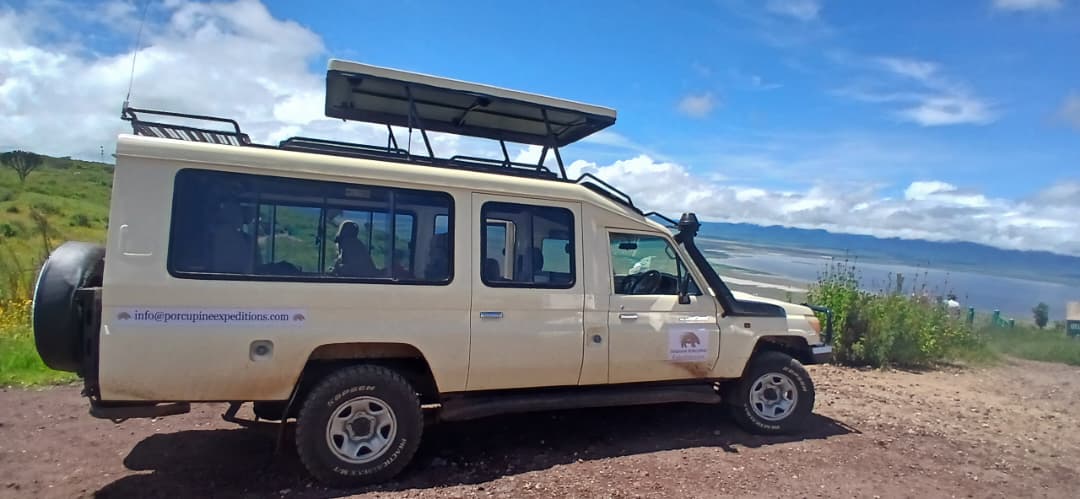
We are experienced in planning and leading customized safari expeditions throughout Tanzania. Whether it is our custom designed safaris, our scheduled departure safaris, or our private guided safaris, we are committed to providing unforgettable experiences for our clients.
We offer a wide range of itineraries to suit anyone’s expectations, including luxury lodge safaris, private guides for small groups, camping safaris for the more adventurous and migration safaris to the Serengeti and Masai Mara.
The northern circuit is the home of the classic safari experince from the endless short-grass plain of serengeti to the dense river lying forest of Tarangire to the lushy blended ecosytem of Ngorongoro an abundance of wildlife the perfectly capture the safari experience.
Arusha National Park
Arusha National Park can be reached by means of an easy 60-minute drive north west from Moshi. Despite of closeness of this National Park to Arusha, this National Park is probably one of the least visited, making it a wonderful and rewarding off-the beaten-track excursion.
Covering 137 sq km, the Arusha National Park has three major attractions which can all be visited in the course of a day outing.
Tarangire National Park
Tarangire National Park is probably the mostly visited of the northern Tanzanian game parks, and retains a real air of undiscovered Africa, particular in the south of the park. Much of the park is grassland together with swamp lands and flood plains, which feed the Tarangire River. Large baobab trees, particularly in the northern section of the park, stand dotted across the landscape dominating the scenery. Many of the trees are hundreds of years old. Elsewhere there is acacia woodland, open bush and groves of palm trees.
Lake Manyara National Park
Covering about 330km², of which about two-thirds is underwater, Lake Manyara National Park is small by African standards. However, it’s also very beautiful and contains a tremendous diversity of habitats and wildlife. Set beneath the spectacular backdrop of the Great Rift Valley’s steep western escarpment, this long, narrow park protects an area between the escarpment and Lake Manyara.
Ngorongoro Crater
The Ngorongoro conservation area covers 2286sq km and encompasses the volcanic area around the Ngorongoro crater including the still active Oldonyo Lengai, and the famous Olduvai Gorge. The Ngorongoro conservation area is quite simply the most spectacular tourist destination in Africa unequaled in its magnificence its wild life and its atmosphere.Added to the beautiful scenery, the archaeological wealth and the wildlife, is a proud people – the massai- a pastoral
tribe.
Serengeti National Park
The Serengeti National Park has probably been the subject of more books, television documentaries, pictures, photos and digital images on African wildlife animals, than any other African national park. Hosting the annual wildebeest migration across its grassy plains – arguably the world’s greatest wildlife animals spectacle – this park is without a doubt a defining image of East Africa and more specifically Tanzania.
Why Choose Northern Tanzania for a Safari?
Northern Tanzania is widely regarded as the premier safari destination in Africa and is often the first choice for travelers seeking an authentic wildlife adventure. The region contains the highest concentration of protected wildlife areas in Tanzania and offers excellent road connections between parks, making it possible to experience multiple ecosystems within a single safari.
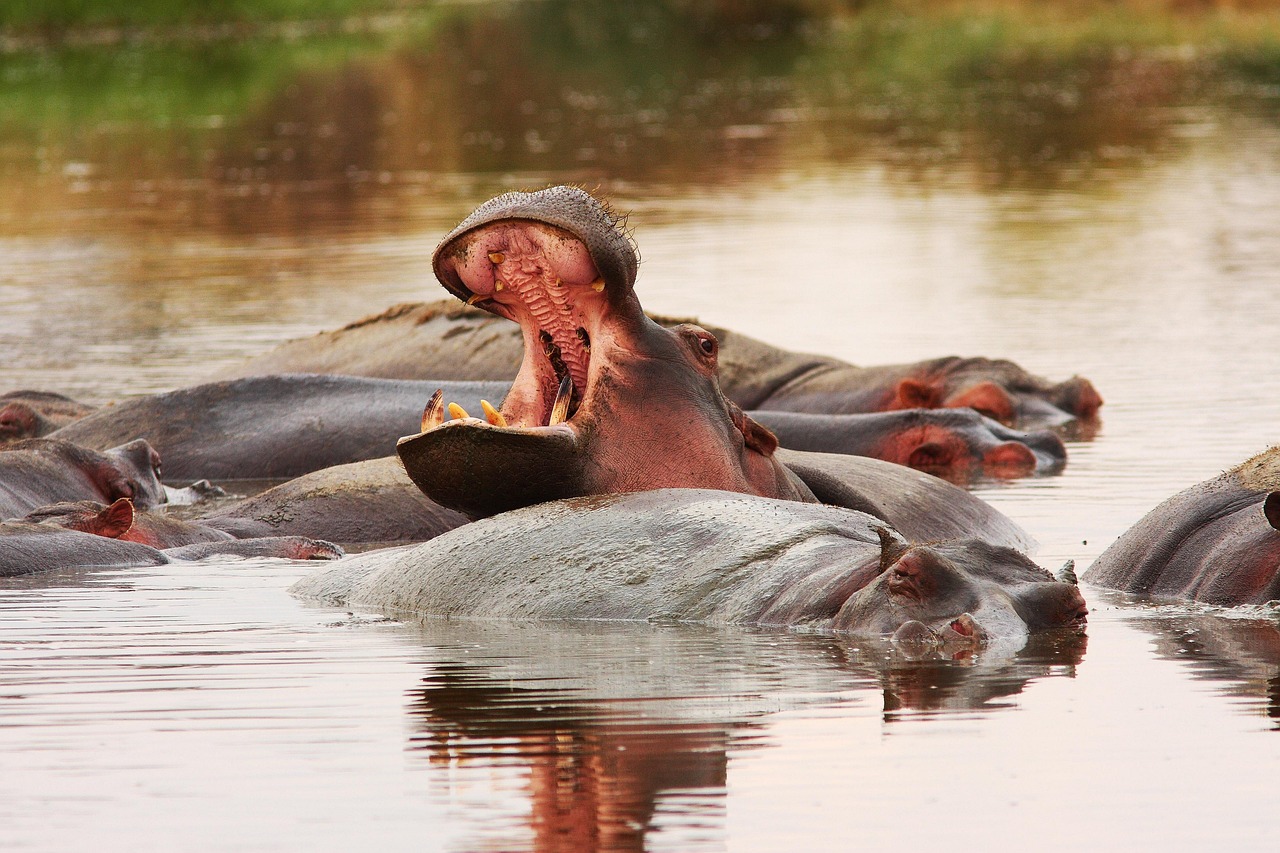
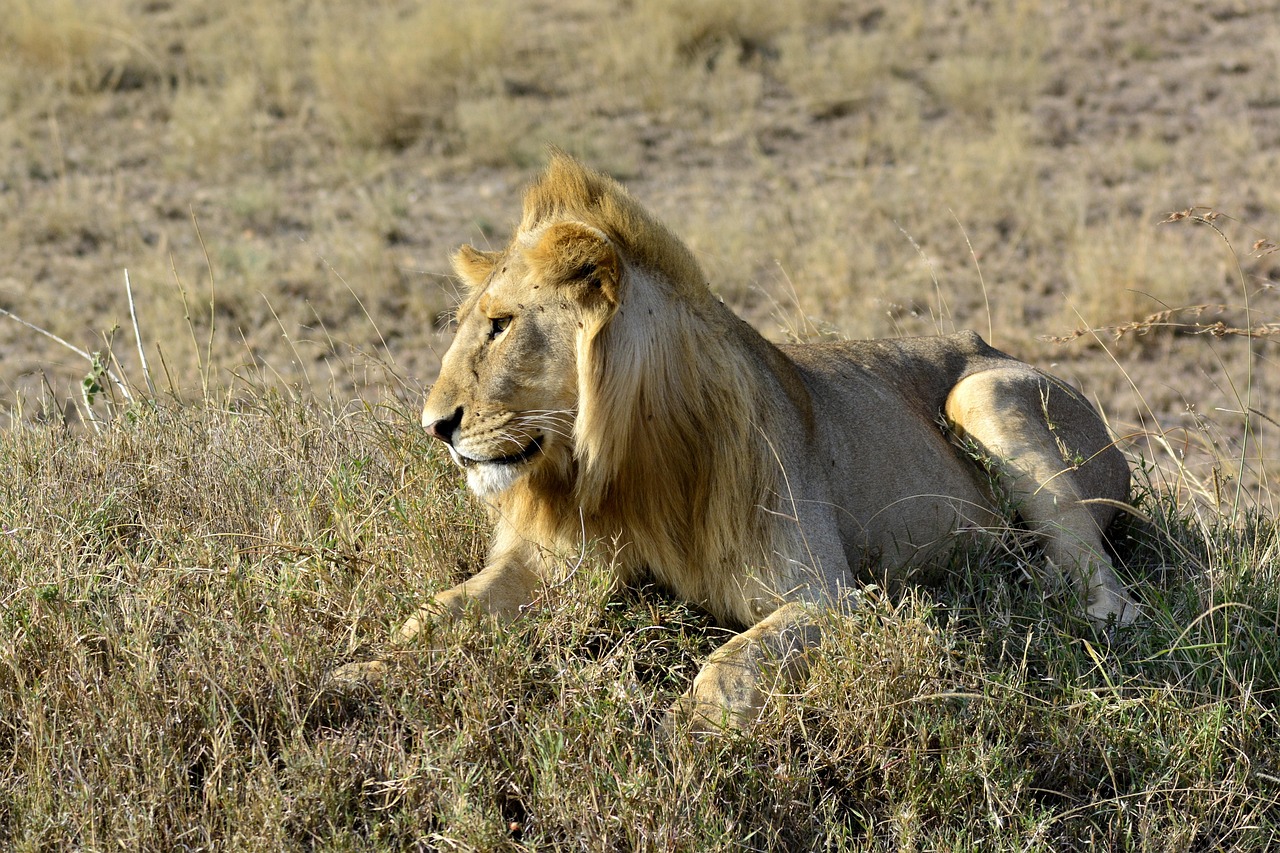
Unlike many other safari destinations around the world, Northern Tanzania provides year-round wildlife viewing. The region hosts some of Africa’s largest populations of elephants, lions, leopards, buffaloes, giraffes, zebras, wildebeests, cheetahs, hippos, and endangered black rhinos.
What makes the Northern Circuit particularly special is its incredible diversity. Within a few days, visitors can explore volcanic craters, open savannahs, acacia woodlands, freshwater lakes, alkaline lakes, mountain forests, river valleys, and endless grasslands. Each ecosystem supports unique wildlife and offers a completely different safari experience.
The circuit is also home to some of the world’s most iconic natural wonders, including the Serengeti Plains, Ngorongoro Crater, Mount Kilimanjaro, Mount Meru, Lake Manyara, and Tarangire’s giant baobab forests.
Best Time to Visit Northern Tanzania
Northern Tanzania can be visited throughout the year, although each season offers unique experiences.
June to October (Dry Season)
This is considered the best safari season because:
- Wildlife gathers around water sources.
- Roads are easily accessible.
- Vegetation is less dense.
- Wildlife is easier to spot.
- The weather is generally sunny and comfortable.
November to December (Short Rains)
The landscape becomes greener and more scenic. Birdwatching is excellent, and there are fewer tourists in the parks.
January to March
This period is ideal for witnessing the wildebeest calving season in Southern Serengeti. Predator activity is exceptionally high during this time.
April to May (Green Season)
Although these are the wettest months, visitors enjoy:
- Lower safari prices
- Fewer crowds
- Lush green scenery
- Excellent photography opportunities
Many experienced safari travelers specifically choose this season for its beauty and tranquility.
Why Choose Northern Tanzania for a Safari?
Northern Tanzania is widely regarded as the premier safari destination in Africa and is often the first choice for travelers seeking an authentic wildlife adventure. The region contains the highest concentration of protected wildlife areas in Tanzania and offers excellent road connections between parks, making it possible to experience multiple ecosystems within a single safari.
Unlike many other safari destinations around the world, Northern Tanzania provides year-round wildlife viewing. The region hosts some of Africa’s largest populations of elephants, lions, leopards, buffaloes, giraffes, zebras, wildebeests, cheetahs, hippos, and endangered black rhinos.
What makes the Northern Circuit particularly special is its incredible diversity. Within a few days, visitors can explore volcanic craters, open savannahs, acacia woodlands, freshwater lakes, alkaline lakes, mountain forests, river valleys, and endless grasslands. Each ecosystem supports unique wildlife and offers a completely different safari experience.
The circuit is also home to some of the world’s most iconic natural wonders, including the Serengeti Plains, Ngorongoro Crater, Mount Kilimanjaro, Mount Meru, Lake Manyara, and Tarangire’s giant baobab forests.
Cultural Experiences in Northern Tanzania
A safari in Northern Tanzania is not only about wildlife. The region is also rich in cultural heritage and traditional communities.
Maasai Culture
The Maasai are among East Africa’s most recognizable indigenous communities. Visitors can learn about:
- Traditional cattle herding
- Maasai customs and ceremonies
- Traditional housing
- Local dances and songs
- Handcrafted jewelry and artwork
Many cultural visits take place around Ngorongoro and Longido.
Hadzabe Bushmen
Near Lake Eyasi, visitors can meet the Hadzabe people, one of Africa’s last remaining hunter-gatherer tribes. Their traditional lifestyle has remained largely unchanged for thousands of years.
Datoga Community
The Datoga people are skilled blacksmiths known for producing traditional tools, weapons, and jewelry using ancient techniques.
These cultural experiences provide valuable insight into Tanzania’s rich human history.
Safari Activities in Northern Tanzania
Modern safaris offer much more than traditional game drives.
Game Drives
Morning, afternoon, and full-day game drives remain the most popular safari activity.
Walking Safaris
Available primarily in:
- Arusha National Park
- Ngorongoro Highlands
- Certain private conservancies
Walking safaris allow visitors to experience nature at ground level.