
Mount Kilimanjaro Food Menu
Food on Mount Kilimanjaro
Mount Kilimanjaro trekking requires healthy food cuisine ranging from Proteins, Carbohydrates and Fats for both clients and our entire Kilimanjaro trekking team.
During hiking, our professional chefs will prepare three hot meals on daily basis. i.e. Breakfast, Lunch and Dinner.
Our meals are cooked with the freshest seasonal yields. All fruits, vegetables, sea food, beef and chicken are purchased from the local markets in Moshi. For all treks of over 5 days in length, we have re-supplied of fresh food to the camp/hut for our use.
Mount Kilimanjaro Food Sample Menu
For each trek on Mount Kilimanjaro a dedicated cook will be part of the logistical team.
- Fresh, organic ingredients are resupplied throughout the entire trek.
- Nutritionist-designed meals include an optimal balance of complex carbohydrates, protein, and fats.
- Vegetarian, vegan, gluten-free, dairy-free, and kosher diets can be accommodated with advance notice.
- Unlimited purified drinking water provided daily.
- Chefs are trained in hygienic food preparation and allergy safety.
- Custom dining tents and comfy chairs included on every trek.
- -friendly solar lighting brightens your meals.
Below are typical foods from our standard menu that you can expect to eat during your climb (Kilimanjaro sample menu):-
Breakfast: Eggs, sausages, bacon, French toast/pancakes, bread/toast, cereal/porridge, fruit. Margarine, jam, honey, peanut butter. Tea, coffee, hot chocolate, fruit juice.
Packed Lunch: Carrot and cucumber strips, avocado slices, boiled eggs, chicken, meat cutlets, sandwiches (egg, cheese, tomato, meat, tuna, or peanut butter), and fruit. Meat sauce and bread.
strong>Dinner: Soup of the day, bread, salad, meat/chicken/fish, rice/pasta/potatoes, vegetables, lentils, fruit. Tea, coffee, hot chocolate
Snacks: Peanuts, popcorn, crisps, cookies.
Porcupine Expeditions recommends you bring some of your own trail snacks to eat, especially for your summit night.
- Lightweight and low-calorie is good, and energy or granola bars, chocolate, candy, cookies, crackers, nuts, and dried fruit are all popular choices.
- sure to choose things that you really like, because you’ll need extra incentive to keep eating if you find your appetite decreasing at high altitude.
- Adding drink crystals such as Gatorade, Crystal Light, or Tang to one of your water bottles may also encourage you to consume extra fluids, and they often taste especially delicious on a hard day of hiking!
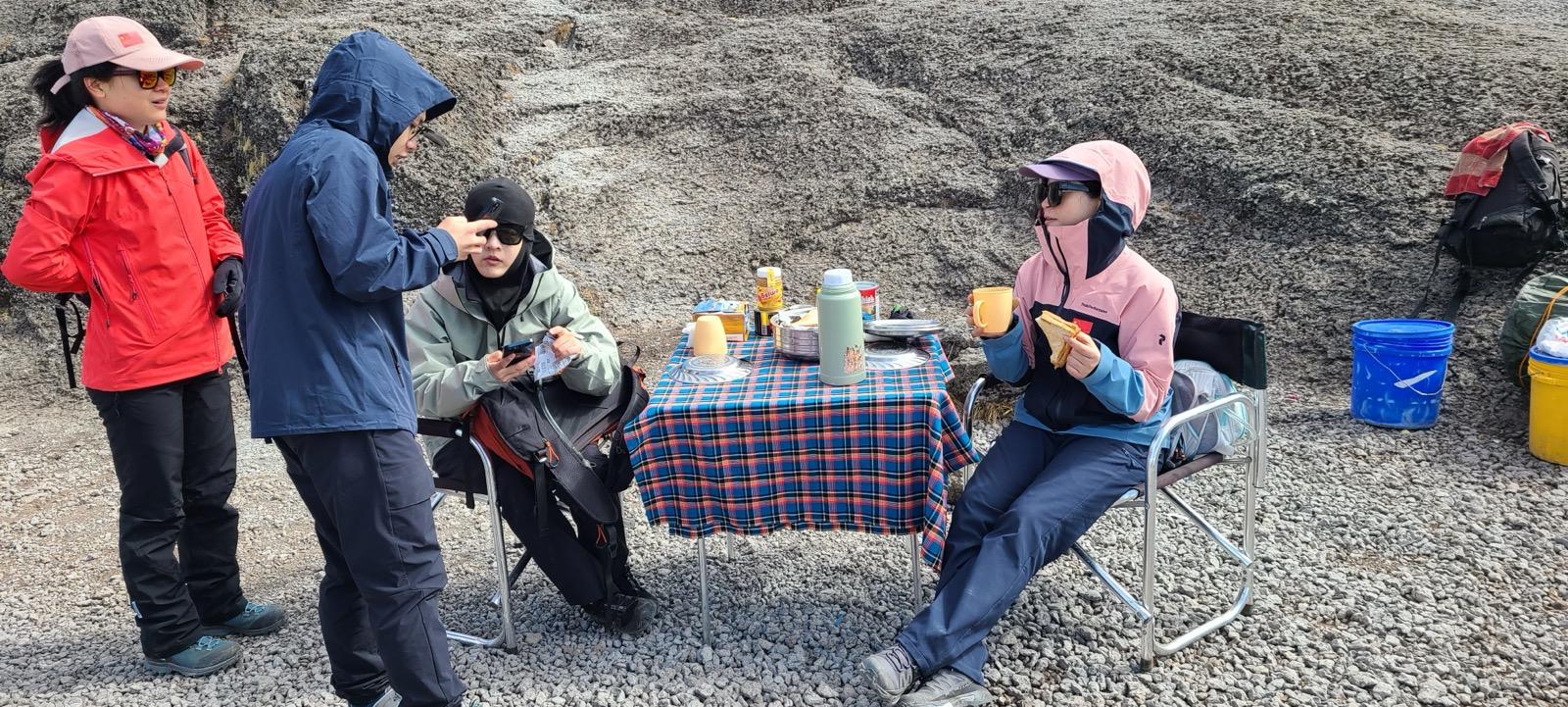
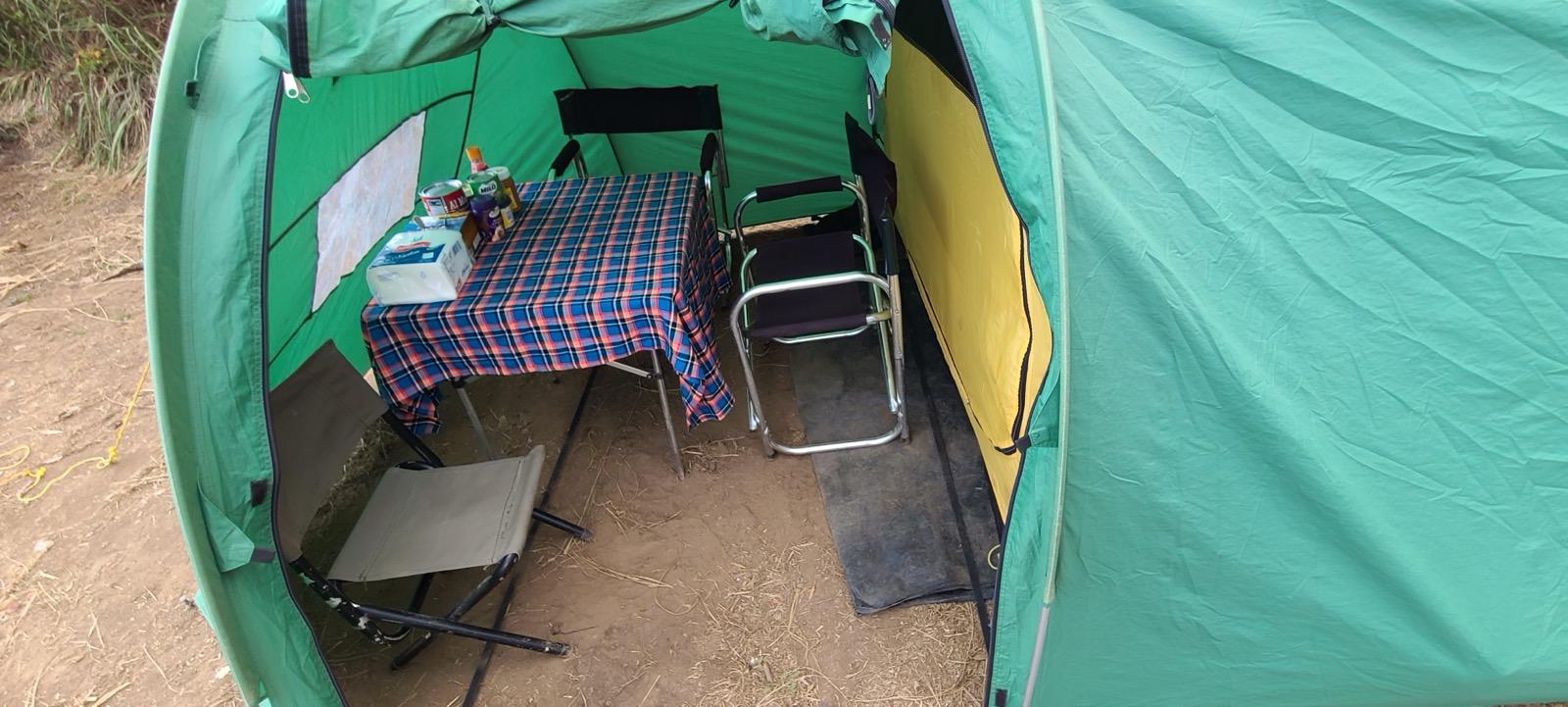
Typical Kilimanjaro Dinner Menu
Dinner is typically the most substantial meal of the day.
Starter Soup
Served every evening to help warm the body and encourage hydration.
Popular soups include:
- Vegetable Soup
- Lentil Soup
- Pumpkin Soup
- Chicken Soup
Main Courses
A variety of meals are served throughout the trek.
Examples include:
Rice Dishes
Served with:
- Chicken
- Beef
- Vegetables
- Sauces
Pasta Dishes
Often accompanied by:
- Tomato Sauce
- Vegetable Sauce
- Meat Sauce
Potatoes
Prepared as:
- Mashed Potatoes
- Roasted Potatoes
- Boiled Potatoes
- French Fries
Stews
Examples include:
- Beef Stew
- Chicken Stew
- Vegetable Stew
Local Tanzanian Dishes
Many operators include traditional meals such as:
- Pilau Rice
- Ugali
- Chapati
- Beans
- Fresh Vegetables
Dessert
Often includes:
- Fresh Fruit
- Cake
- Biscuits
- Custard
Summit Night Menu
Summit night is the most demanding part of the climb.
Before departure, climbers are usually served:
Early Dinner
A carbohydrate-rich meal designed to maximize energy reserves.
Midnight Snacks
Before the summit attempt, climbers may receive:
- Tea
- Coffee
- Hot Chocolate
- Biscuits
- Chocolate Bars
- Energy Bars
- Popcorn
- Nuts
These foods provide quick energy during the ascent.
Vegetarian and Special Diet Options
Most professional Kilimanjaro operators can accommodate special dietary requirements.
Common options include:
Vegetarian Meals
Featuring:
- Vegetables
- Beans
- Lentils
- Rice
- Pasta
- Eggs
Vegan Meals
Prepared without animal products.
Gluten-Free Meals
Available upon request.
Lactose-Free Meals
Can be arranged in advance.
Religious Dietary Requirements
Including:
- Halal Meals
- Other special dietary preferences
Dietary requirements should be communicated before arrival to ensure proper preparation.
Hydration on Kilimanjaro
Water is just as important as food during the climb.
Climbers are encouraged to drink:
- 3 to 5 liters of water daily
Available beverages often include:
- Drinking Water
- Tea
- Coffee
- Hot Chocolate
- Herbal Teas
- Fruit Juices (at lower camps)
Hydration helps improve acclimatization and reduces the risk of altitude sickness.
Fueling Your Journey to the Roof of Africa
The food served on Mount Kilimanjaro is designed not only to satisfy your appetite but also to support your body’s performance at high altitude. Nutritious meals, regular snacks, and proper hydration are essential components of a successful climb.
From hearty breakfasts and warming soups to energy-packed summit snacks and freshly prepared dinners, Kilimanjaro’s mountain menus help climbers maintain strength, improve acclimatization, and enjoy the adventure from start to finish. A well-fed climber is a stronger climber, and proper nutrition can make a significant difference in helping you achieve your goal of reaching Uhuru Peak (5,895 meters), the highest point in Africa.